
Louisiana Recent Arrests
Louisiana has no single statewide intake list for arrests. The first record sits with the agency that made the arrest. Or it sits with the parish facility that did the booking. From there, each parish chooses its own approach. Some run a live roster. Some publish periodic reports, and some respond only to a records request. A person arrested on an old warrant may show up on a custody list. A fresh booking, though, may wait hours before local staff or a vendor system posts it.
The LA VINE roster directory comes from the Louisiana Commission on Law Enforcement. It is the best starting map. It links out to parish roster pages rather than compiling one statewide arrest count. Grant, Terrebonne, and Union are listed as offline. Other entries open a jail roster or a search form. Some open a local report or an outage notice. The page type matters as much as its name. A booking entry simply documents an arrest event or a custody status.
Find Records by Parish
Begin with the parish where the arrest happened. Home parish does not matter here. A town police department often makes the arrest. It then delivers the person to the parish jail, where the booking record and any photo live. Every Louisiana parish page works a little differently. Search fields vary. Release notes, photo display, and how far back a public feed reaches vary too. The Louisiana Parish Directory points to the right local source for each parish. When you know the arrest location, work through the sources in order.
- Open the parish source for the place named by the arresting agency.
- Check a same-day report first, then the current roster if no separate intake view exists.
- Use the arresting agency’s records custodian when the public page is down or has aged out.
- Check a court docket for later minute entries or a disposition, rather than reading the booking charge as the final result.
City jail systems sit beside parish links in LA VINE. But they are a separate layer. A city roster does not replace the parish one. Not every city arrest stays in a city facility either. Louisiana State Police arrests may also get booked into the parish named in the release.
Note: A missing roster entry can reflect a delay, a transfer, a release, a local outage, or a different booking jurisdiction.
Louisiana Arrest Feeds
A "last 24 hours" label only means something if the source states that window. Vermilion Parish offers an official "Last 24 Hours" tab. The St. Mary Parish arrest-report index posts dated reports. Its stated period has ranged from 24 to 72 hours. Most other parish links are current-custody rosters or selected reports. They are not a statewide daily intake feed. Always read the date and period on a report. Do not treat it as a same-day arrest list without that check.
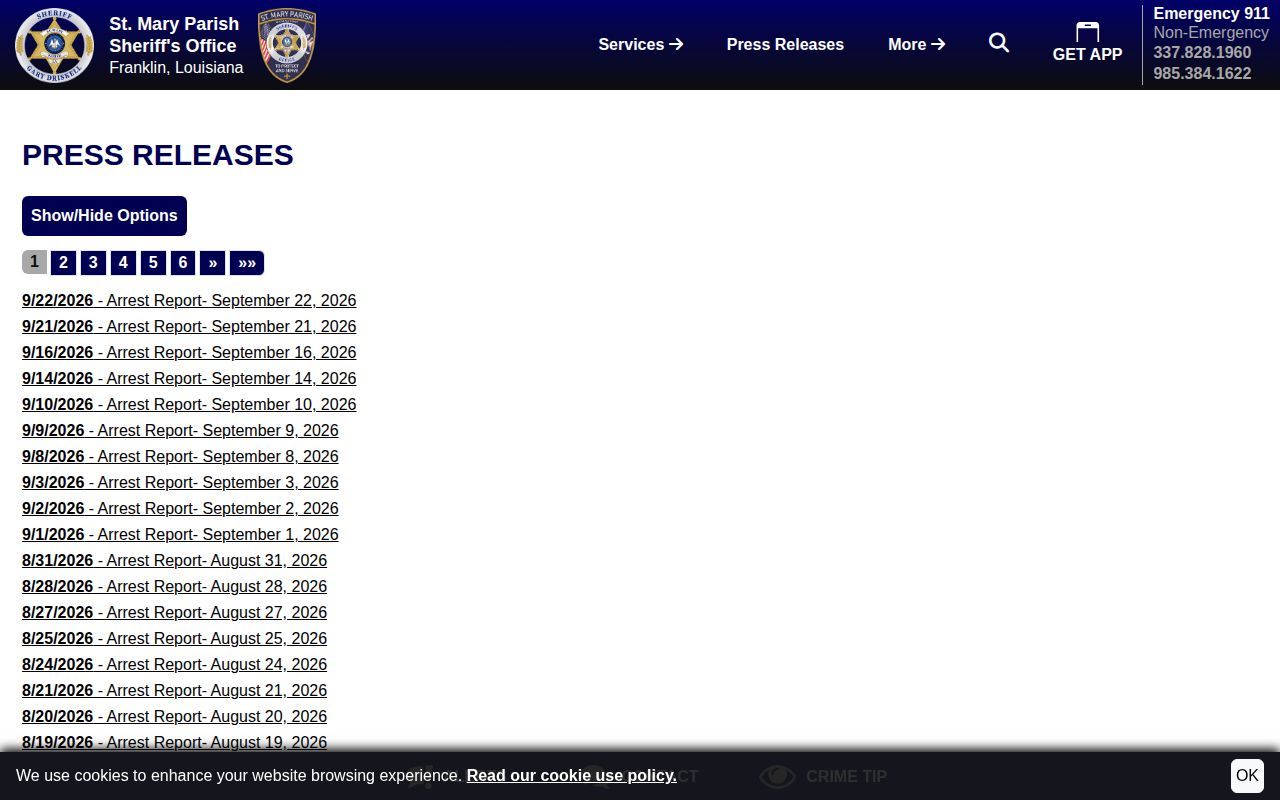
Report headings explain why a date range must travel with the record. A report dated today may still cover several days. An older 72-hour item does not define every report on the site. Louisiana sets no common posting deadline across parish feeds. Current rosters differ as well. Caddo's detail view can show booking history and a photo, while another portal may list only current custody or a name and charge.
| Window | What the source means | Where to continue |
|---|---|---|
| Explicit same-day view | Vermilion labels a tab “Last 24 Hours” and warns that status may not be current. | Arrests Last 24 Hours |
| Dated arrest report | St. Mary states the period for each report; wording may be 24 or 72 hours. | Read the report’s own date range. |
| Current custody roster | Shows people held now and may include booking dates, not every arrest in a fixed window. | Use as a custody check, not a daily count. |
| Multi-day archive | Selected releases or posts may group weekends and omit routine bookings. | Police Blotter |
Never merge results from unlike parish systems. Only combine them when the source window matches your question. A same-day view can miss a booking that has not synced. A released person may drop off a current roster. The booking record still exists with the agency. A dated report is not a promise that every arrest from that date appears. LCLE says its deployed roster data is live. It refreshes every 30 minutes. That says nothing about when a new booking shows up. Parish systems, local phone apps, and alerts all stay separate. For one person's current custody status and notifications, use the VINELink Custody Check.
Where Louisiana Arrests Appear
Official records should come first in any search. The parish source answers one question. The court clerk answers another, and a state or federal locator answers a different one. Third-party sites and news outlets can help you find a source. Copied entries can lag, skip parishes, or linger after an official page changes.
| Source | What it can show | Status |
|---|---|---|
| Parish sheriff or jail roster | Local booking details, custody status, and a photo if the system displays one. | Official; coverage varies by parish. |
| LA VINE parish roster map | Links to local custody systems across the state. | Official directory; not a combined intake count. |
| Parish clerk / LCRAA portal | Case minutes, bail or custody decisions, and later dispositions where available. | Official court source; clerk access and older records vary. |
| LSP news releases | Selected arrests, investigations, operations, and public-safety events. | Official events, not a full roster. |
| Busted Newspaper, RecentlyBooked, Mugshots.com, Arrests.org, Mugshots.zone | Copied or re-presented booking data and photos from selected areas. | Unofficial discovery sources; verify with the agency. |
Louisiana newspapers and TV stations cover selected arrests. Some stories quote an agency release or a court record. A story is not a custody status, and a missing story proves nothing either way. Start with an official roster. Then compare any media account against the source named in the piece. Blotters and older multi-day reports live elsewhere. The Police Blotter link in the main navigation covers that material.
Commercial sites add another layer. Busted Newspaper, RecentlyBooked, Mugshots.com, Arrests.org, and Mugshots.zone all carry Louisiana material. Their parish coverage shifts. None is a complete statewide arrest database. The Mugshots.com Louisiana section is one such archive, not an official roster. The accompanying images show secondary landing or search pages, not government records. Check the parish record and the court file when a case result matters.
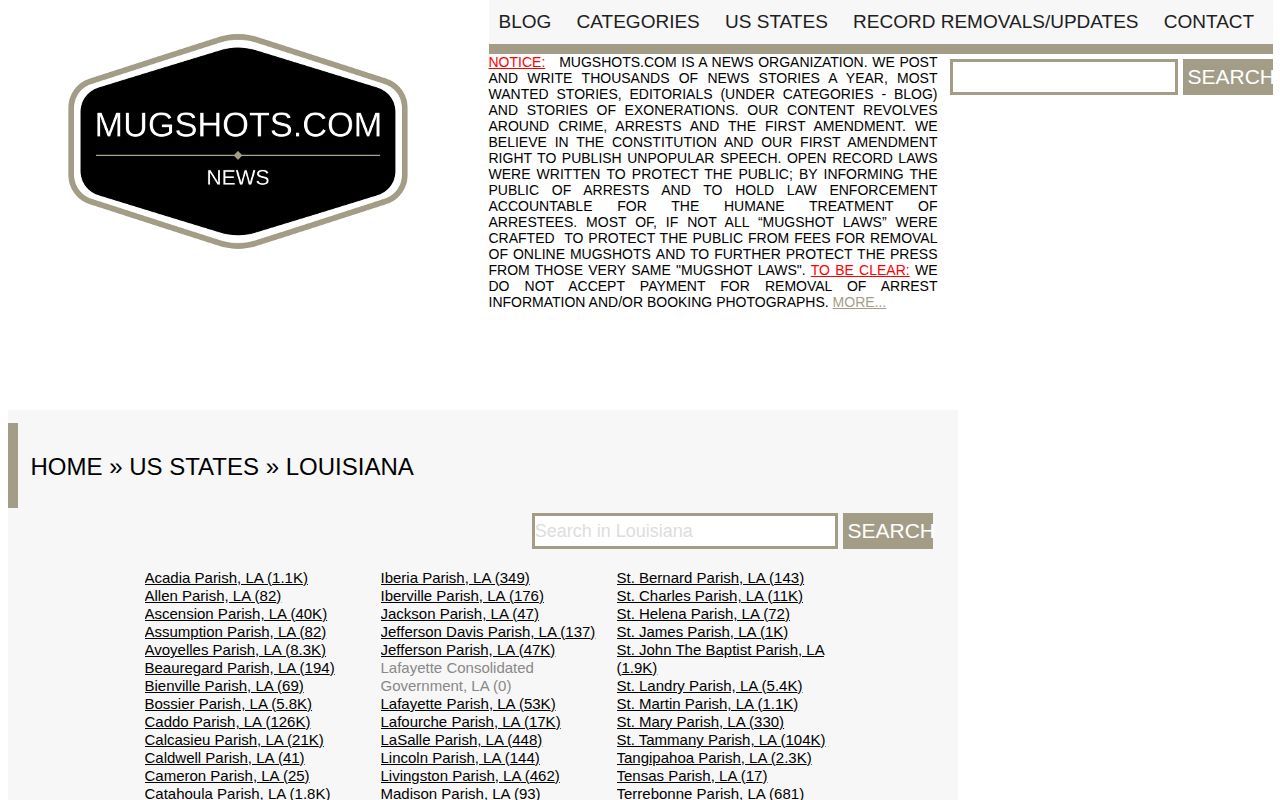
Mugshots.com is a commercial archive, not a roster. Its Louisiana pages may keep historical material even after a parish page changes. Confirm any current booking with the agency. The RecentlyBooked Louisiana page re-presents booking data from local systems. It states plainly that it is not a government source.
Stale listings happen there too. A listing may be old or incomplete. The Mugshots.zone Louisiana network is another secondary archive, with parish coverage that varies.
Mugshots.zone is a secondary archive too. Its appearance here is not an endorsement, a promise of currency, or proof of completeness.
Louisiana Warrants and Wanted Lists
Louisiana has no statewide warrant list. Every parish and agency keeps its own. The DPS&C's Most Wanted page covers probation and parole cases only. It is a focused fugitive list. Do not expect a bench warrant or local court order there. The U.S. Marshals Service district directory routes to Louisiana's Eastern, Middle, and Western districts. Those fugitive profiles are selective. They do not form a state warrant database. Parish sheriff and clerk sources may hold local warrant details, though publication and search access vary by office.
The official DPS&C Most Wanted page lists supervision warrant cases and points tips to a local probation and parole office or the department's duty investigator. That source is not a public warrant index.
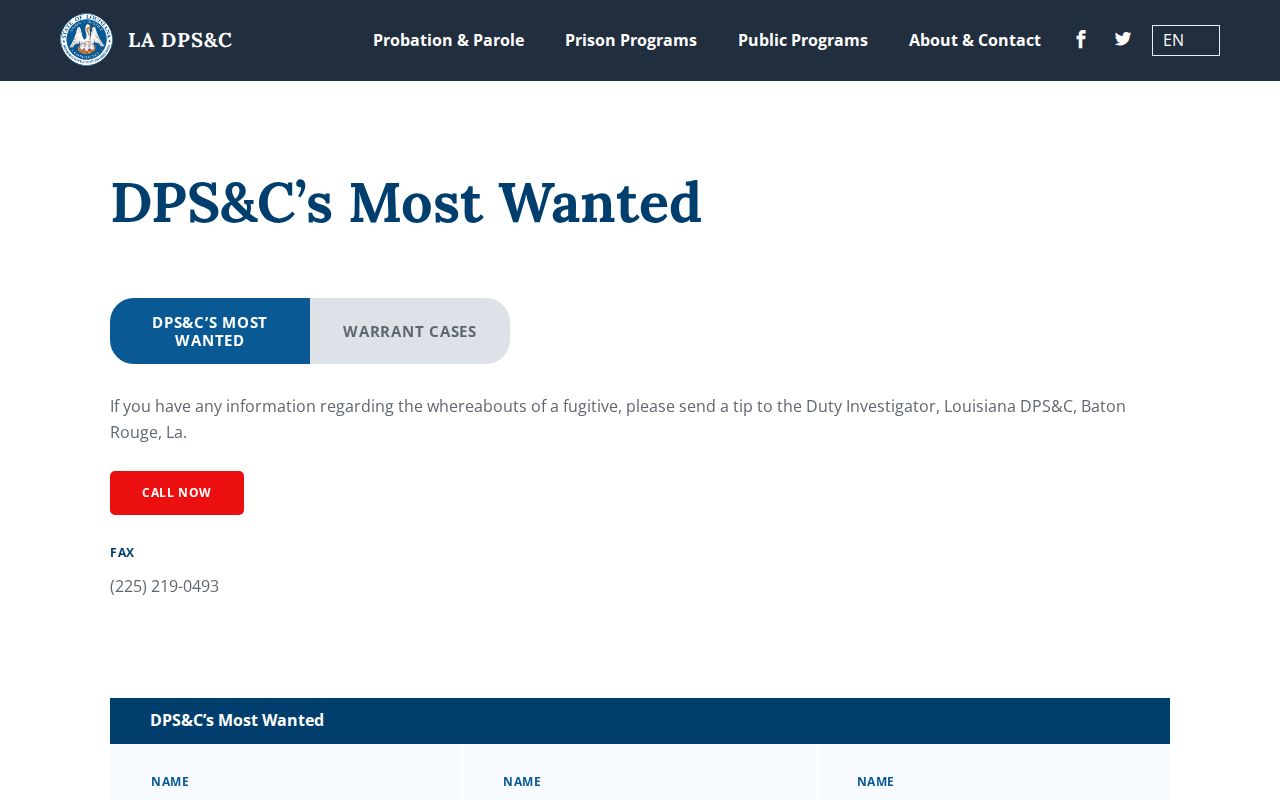
Wanted lists go stale fast. A warrant can be recalled. A name or photo can be wrong too. Never approach, follow, message, or detain someone shown on a wanted page. To check or resolve a possible warrant, contact the listed law-enforcement office or court, or have a lawyer confirm the record, and send tips only to the official agency.
Safety: Never enforce a warrant yourself. Use the listed agency's tip route and let law enforcement assess what you send.
Sheriff notices and State Police fugitive releases tell stories. A release describes one arrest or warrant action. It is not a current warrant database. Search the parish source that matches the event and confirm case status with the issuing court. Absence from a statewide fugitive list does not mean no local warrant exists.
Note: A warrant listing is a lead to the issuing agency, not a live status check or proof of identity.
Louisiana Booking Record Fields
Louisiana law separates booking summaries from full files. Code of Criminal Procedure article 228 opens the booking book and information summary to public inspection. A parish roster may show only some fields. Search boxes differ too. One parish takes a name; another wants a booking number or date. The table pairs likely search fields with details that may appear once an entry is opened, without promising every parish system has each one.
| Layer or field | Search or record detail | What it means |
|---|---|---|
| Parish roster search | Name; booking number or booking date where the portal offers it. | Finds a local entry; portal fields vary. |
| Booking summary | Legal name, charge or charges, arresting person, brief facts, and others arrested in the same event. | Article 228 identifies booking information; charges remain charges. |
| Local roster details | Booking time, agency, bond, holds, custody status, history, and photo when shown. | Optional local interface fields, not a statewide standard. |
| DPS&C locator | Name, location, or ID/case number; location and projected release information may appear when applicable. | State corrections or supervision context, not a parish intake feed. |
Parish rosters sort in different ways. Some list people by booking time. Others split current custody from released. A released person drops out of the current-custody view while the booking record itself stays with the agency. Someone moved to state custody belongs in the Department of Public Safety & Corrections locator, not the parish jail roster. Missing a field is not proof it was never created. Ask the custodian for the record.
Does a current roster show the final charge? Usually it shows the charge entered at booking, not the final court result, and a later clerk record may show a reduction, dismissal, plea, or judgment.
- Booking
- The intake record made after an arrest.
- Bond
- A court-set condition or amount tied to release while a case is pending.
- Disposition
- The court’s recorded result, such as dismissal, plea, or judgment.
- Expungement
- A court process that makes an eligible record confidential under Louisiana law.
Request Louisiana Arrest Records
Rosters go offline or omit fields. Released people disappear from current lists. In those cases, a parish public-records request is the next step. Louisiana's Public Records Law allows inspection of public records, while law-enforcement exceptions protect some investigative material. Inspection is generally free. Copies may carry a lawful charge, though. No one fee or response time applies to every parish arrest request, so keep the request narrow and ask the office to explain any withholding.
For a local booking record, photo, or initial report, give the custodian enough detail to find the correct event:
- Identify the parish and arresting agency named on the roster, report, or news release.
- Provide the person’s name, arrest or booking date range, and case or incident number if known.
- Name the specific item sought, such as the booking summary, initial report, photo, or a copy in a stated format.
- Ask for a copy estimate and request nonexempt portions if another part is withheld.
A Louisiana State Police incident goes through that agency's own public-records intake. A parish jail request is a different track. The LSP page sets no flat arrest-report fee and no guaranteed turnaround. Traffic-crash reports follow a separate process. Do not borrow that timing for an arrest record. For older material, ask the agency that made or holds the record first. State Archives staff can help identify historical state collections. Not every parish booking image sits there.
Note: Inspection, copy charges, exemptions, and response timing depend on the record and custodian; use current state law and agency instructions.
Louisiana Mugshot Laws
Louisiana handles booking information and booking photographs under related but separate rules. Article 228 opens the booking book and information summary to inspection. Public access opens the book. It does not open every investigative file. Current Code of Criminal Procedure article 234 defines a booking photograph. It also offers a no-pay removal remedy for a defined remove-for-pay publication or website. A listed favorable case outcome and proof are required. It is not a blanket ban on first publication, nor does it make all photographs private.
Article 234 changed in 2022, 2023, and 2024. The 2024 amendment broadened the definition. It now covers a site that primarily uses booking photos for profit or advertising revenue. The same change dropped several earlier agency-publication limits. An older article may still describe the prior text. The Louisiana arrest-record law page walks through the current statute, expungement, and request routes. It goes into more detail.
Expungement is its own thing. It differs from acquittal, dismissal, pardon, or a private publisher's correction policy. Under article 992, a qualifying order makes the expunged arrest or conviction record confidential. Its photographs and fingerprints are covered too, subject to legal exceptions. Eligibility turns on the disposition, offense, time period, and other conditions. The current code and court forms control. A web search result or a missing roster entry cannot establish that an order was granted.
Several Section 20 publishers offer free review routes for eligible records. The list includes Busted Newspaper, RecentlyBooked, Mugshots.com, and Mugshots.zone. Each asks for supporting information or a favorable court record. A publisher's policy is not a court order. Arrests.org's Louisiana pages show no clear general statewide free opt-out policy. A news outlet's corrections desk can review a documented factual error. It does not promise deletion.
Never pay a middleman who promises to erase a public record or force every copy offline. Start with the court order or official disposition. Use a publisher's own free request route when it applies. Then contact the sheriff or clerk if the public source itself stays wrong. Search-engine removal may address an outdated result, but it does not delete the underlying agency record.
After a Louisiana Arrest
A booking page and a court docket answer different questions. The parish roster shows a local booking or custody state. A clerk's case file holds court minutes and later action. Louisiana's Clerks' Remote Access Authority serves participating parish clerks. State law also calls for online access to criminal minute entries or a case summary. This covers qualifying cases filed on or after January 1, 2020. A portal may not show every document image. Clerk systems differ. Match the person by case number when you can. Read the docket entry rather than inferring an outcome from a release.
The DPS&C inmate information page describes a separate locator for state corrections and supervision. Its search takes a name, location, or ID/case number. The stated refresh is every 24 hours. That screen covers people in the state corrections layer, not a public booking-photo archive.
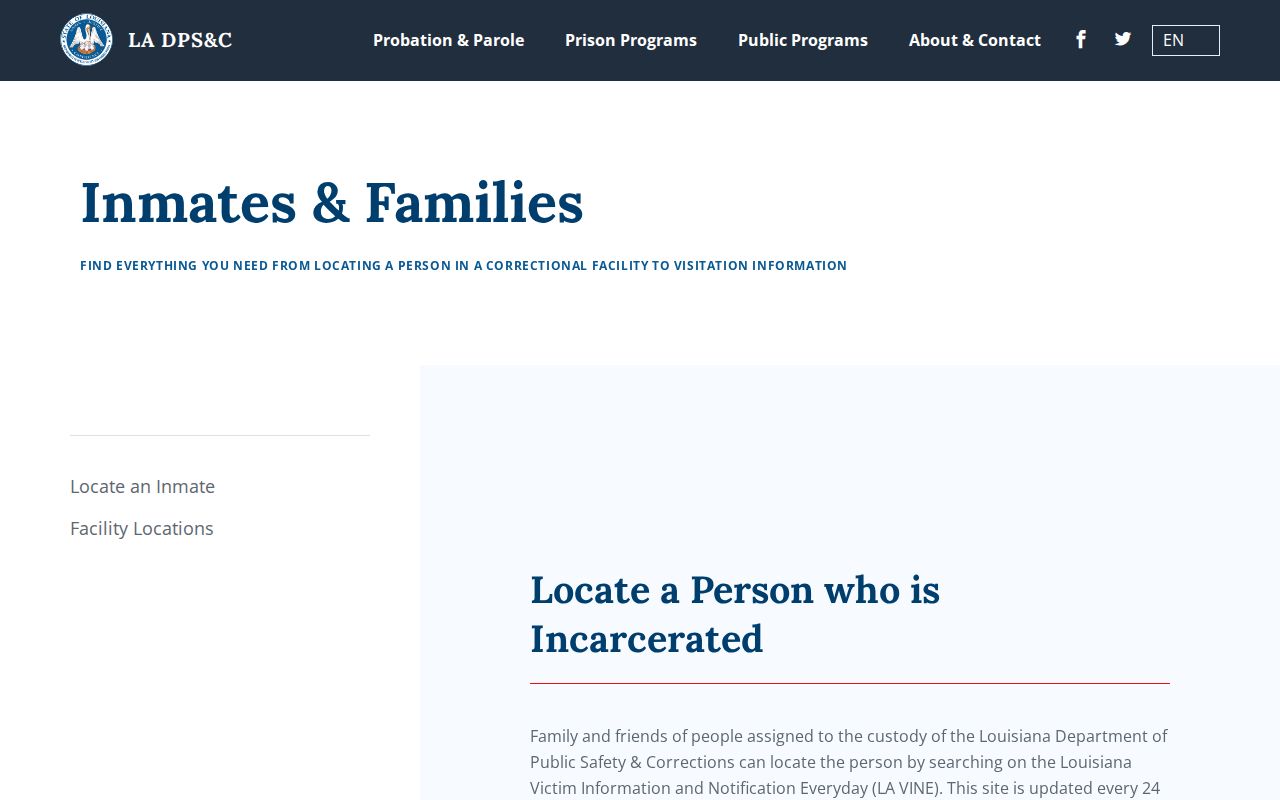
Federal custody runs on another system. The Federal Bureau of Prisons locator covers federal inmates and posts no public booking-photo gallery. Immigration custody is separate again. The ICE detainee locator searches current ICE custody and certain recent releases. Neither result is a parish arrest record. A federal search also cannot confirm a local booking.
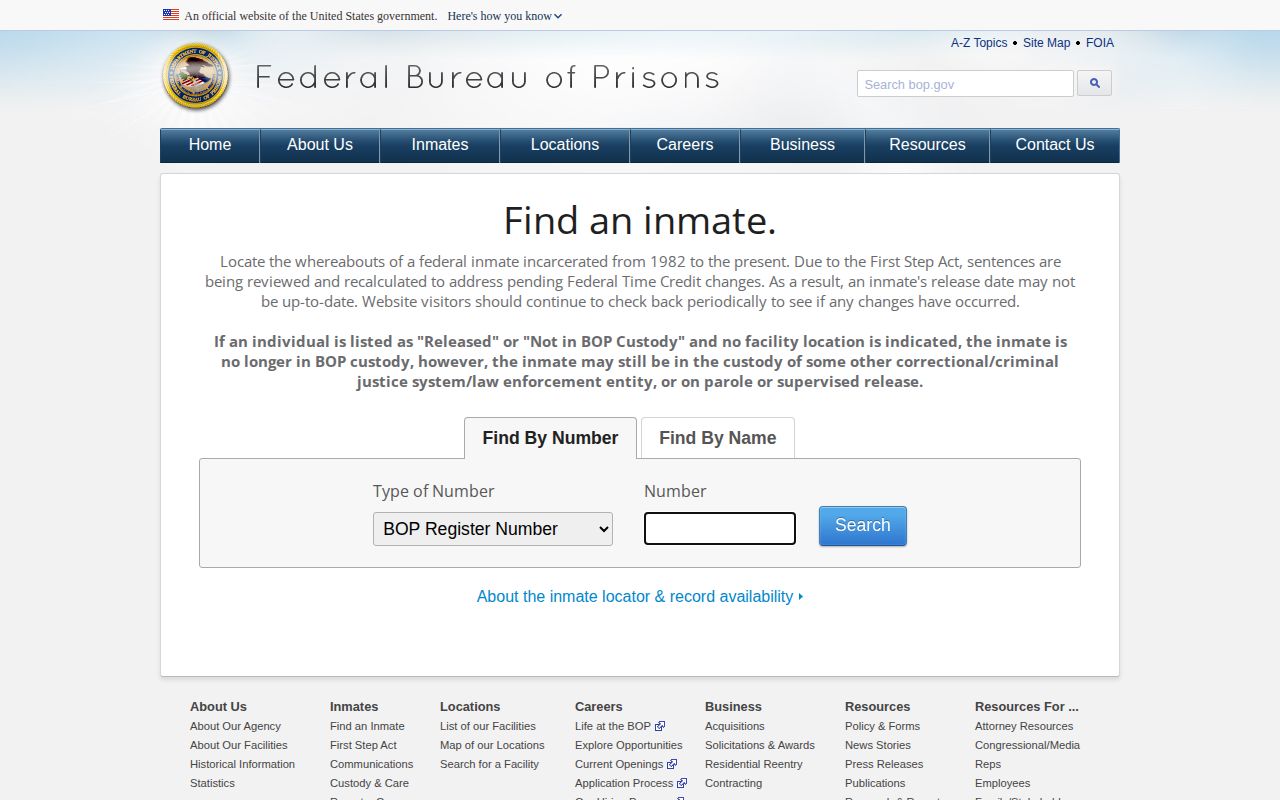
The federal locator stops at federal custody. If no federal result appears, go back to the parish and court sources that match the arrest. A record can move between systems as a case proceeds, but the new custody layer supplies no court outcome by itself.
Old Arrest Records in Louisiana
Louisiana has no single retention period for booking photos and arrest files. Schedules depend on the agency and the record series. A public web page may vanish long before the underlying record is destroyed. The Louisiana State Archives explains how approved schedules work. Schedules identify records, confidentiality, review periods, and disposal authority. Its collections index can help locate historical state records. A modern parish jail record has a first stop. Go to the parish custodian that created or holds it. The Louisiana State Archives collections page describes historical government material and agency holdings. It promises no full transfer. A modern parish booking photo or DPS&C file may not be there.
For a past booking, give the custodian the agency, parish, approximate date range, person or incident, and known case number. Ask whether the record remains with the agency, went to a records center, was sealed or expunged, or was disposed of under an approved schedule. A missing old report does not show that no arrest took place. If a court order changed public access, a separate copy held by a publisher may need its own correction request.
Does an old search result prove that the record is still public? No. A stale search snippet may point to a copy that changed, while an agency or court may hold the current record. Verify with the custodian before relying on an old result.
Note: Public web pages, agency files, court records, and historical collections have different custodians and retention rules.